
Hair Transplant in Turkey
Your hair restoration journey starts here
Restore your confidence. Restore yourself.
Estenove provides hair transplant in Turkey for international patients travelling to Istanbul. Each plan follows an individual assessment of your hair loss pattern, donor area, and desired result.
24/7 ONLINE and FREE
WE SET THE BAR HIGH IN THE HAIR TRANSPLANT
20+
Years of experience
Consultant-led
Care20K
Success
Stories125+
Countries Worldwide
4.9★
Google Rev. and Trustpilot





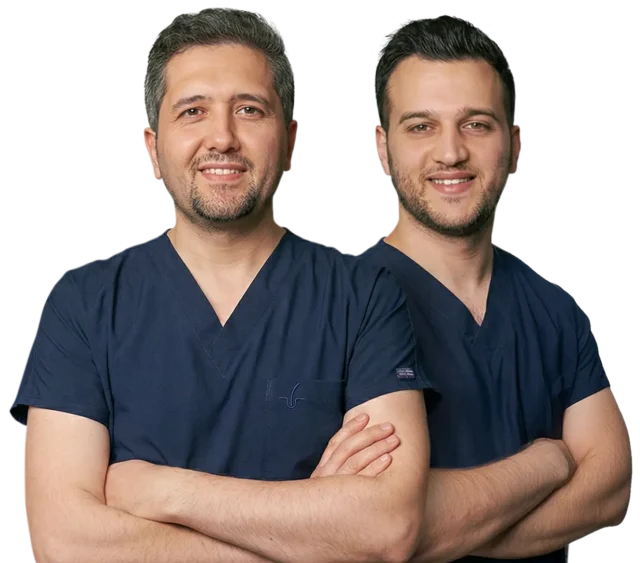
Consultant-led care
Precision
that speaks for itself
From first consultation to final result.
Experience you can see
Results you can trust.
Personally overseen
1
Before hair transplant
All the patients undergo a thorough consultation with a qualified hair transplant consultant.
2
During hair transplant
The procedure consists of several stages, including the extraction of donor hair follicles and their transplantation.
3
After hair transplant
The consultant will provide post-operative instructions including medication recommendations, advice on proper scalp care.
Whether a hair transplant suits you depends on your hair loss pattern, donor hair, and individual assessment. That’s why the treatment plan comes before the price.
Restoring confidence timeline
Boosting from day 1
First 10 days
10
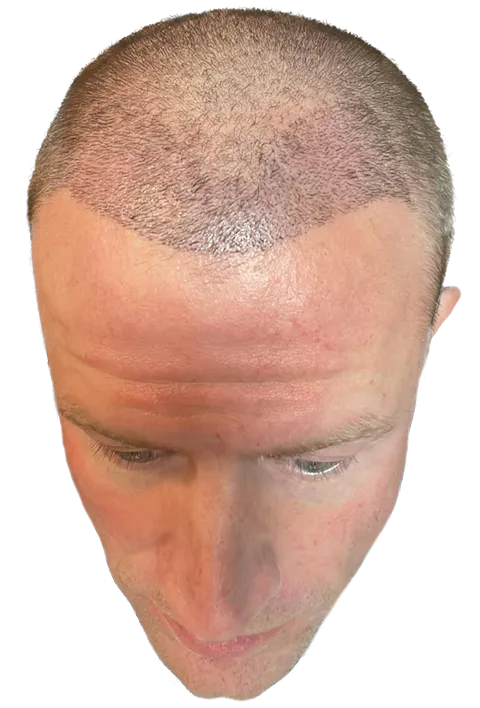
First 10 days
All the scabs will fall off during the 10th day after surgery, Many of them with hair. If not all scabs have fallen off by the end of the 10th days, rub gently to ease the process.
2-8 weeks
30
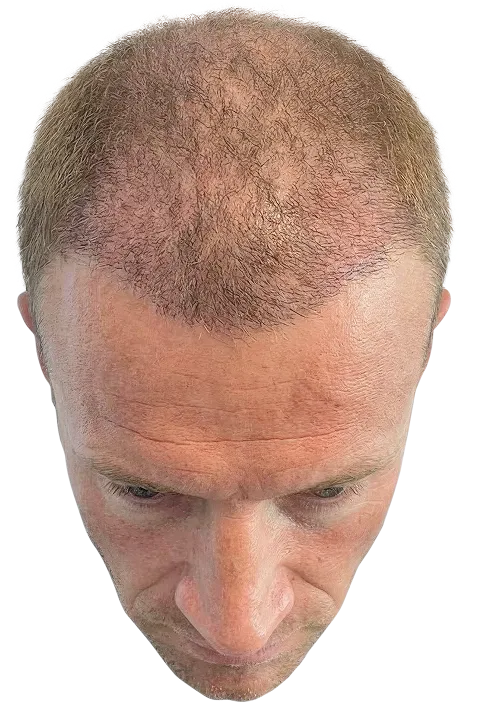
2-8 weeks
During this time, %90 of transplanted hair will fall off. This is a normal process, occurring in all of hair transplant cases. Some of the natural hair located next to transplanted grafts may fall off as well. This phenomenon is know as "shock loss.” There is nothing to be worried about. Your hair will start to grow strong 3-6 months after surgery. The donor area will recover gradually as your hair grows back in 2 weeks.
2-6 months
50
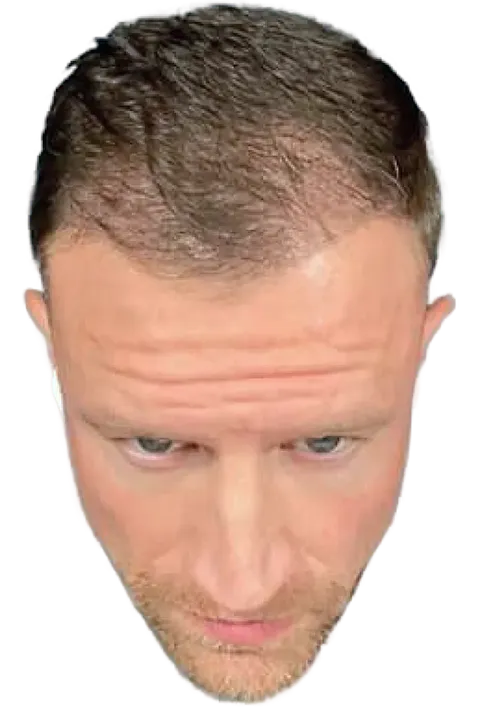
2-6 months
From the second to the fourth month, there will be a stationary stage. Around 5% of new hair may begin to grow during this time. Between the fourth and fifth month, 20% to 25% of the transplanted hair will start to grow.
4-6 months
80
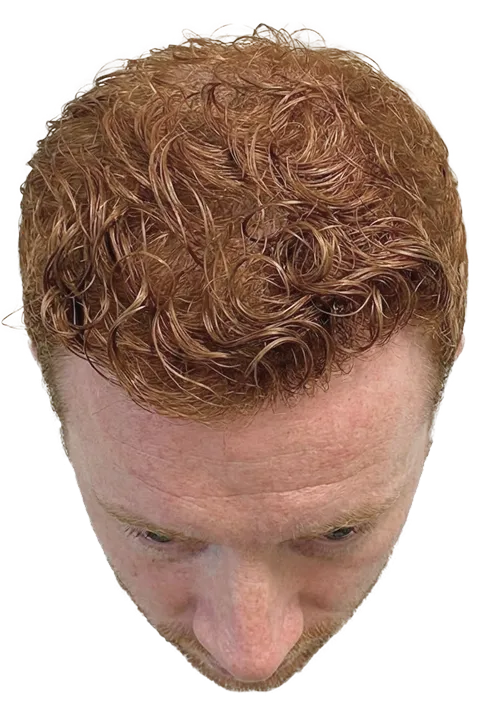
4-6 months
By the end of the sixth month, an increasing number of transplanted hairs will have reached their full length, leading to a significantly improved appearance. However, it is important to note that complete hair growth and density may continue to develop for up to a year or more after the procedure.
After 1 year
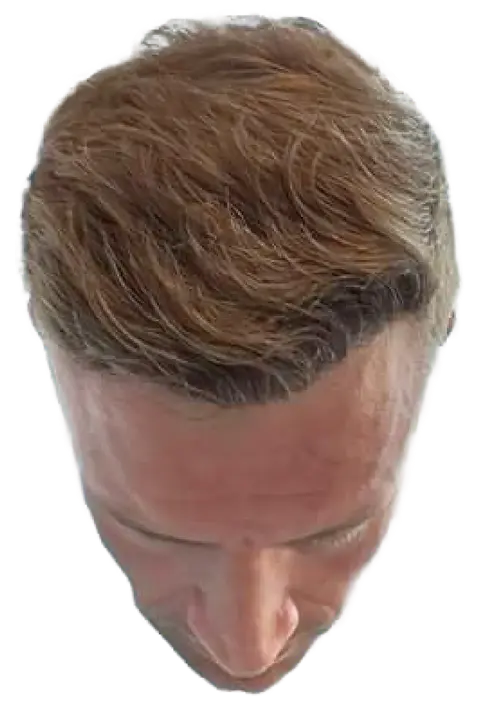
A natural hair transplant, done properly in Turkey

Très content du suivi pre et post opératoire. Les équipes estenove accompagne de bout en bout tout le long du processus et sont très réactif aux différentes questions.
Je suis également très content du résultat à peine 6mois après l'opération
Je suis également très content du résultat à peine 6mois après l'opération
I’m extremely satisfied with my experience at EsteNove Hair Transplant Clinic. They did an outstanding job, and I’m very pleased with the results of my hair transplant. The entire team provided excellent care and professional service throughout the process and after. I highly recommend EsteNove to anyone considering a hair transplant—they truly deliver outstanding service and quality results.
Kind regards,
Frankie
Kind regards,
Frankie

I’m extremely satisfied with my experience at EsteNove Hair Transplant Clinic. They did an outstanding job, and I’m very pleased with the results of my hair transplant. The entire team provided excellent care and professional service throughout the process and after. I highly recommend EsteNove to anyone considering a hair transplant—they truly deliver outstanding service and quality results.
Kind regards,
Frankie
Kind regards,
Frankie
A friend of mine went to Estanove and raved about his experience. I watched his hair thicken and grow over the year and the results blew me away.
I decided to reach out myself and it was the best experience. The customer service, the check ins, the white glove service throughout the entire process, and of course the results have been absolutely incredible.
I will be going back to do second session after seeing how incredible the first session has grown in. In 9 months I have better hair then I did In my 20’s!
I decided to reach out myself and it was the best experience. The customer service, the check ins, the white glove service throughout the entire process, and of course the results have been absolutely incredible.
I will be going back to do second session after seeing how incredible the first session has grown in. In 9 months I have better hair then I did In my 20’s!
Very good experience, the day went way better than I anticipated. Very professional and my results are great.
From the first communication, the service, dedication,professionalism and attention has been remarkable. Everything about my experience with EsteNove has been overwhelmingly positive. From the planning to the surgery and to the aftercare, nothing has been lacking. I couldn’t be happier and am so thankful to have chosen them.
Any communication with the team gets responded to promptly. The consultation with the doctor was unhurried and very professional. The whole medical team were fantastic. The facility was state of the art and very clean. My comfort was assured at all times.
I was never left guessing. Communications have been excellent I am excited for the rest of this journey and have full confidence in EsteNove. I will always highly recommend them to anyone considering them.
I am excited about the future.’
Any communication with the team gets responded to promptly. The consultation with the doctor was unhurried and very professional. The whole medical team were fantastic. The facility was state of the art and very clean. My comfort was assured at all times.
I was never left guessing. Communications have been excellent I am excited for the rest of this journey and have full confidence in EsteNove. I will always highly recommend them to anyone considering them.
I am excited about the future.’
every step was great! from the consultation with jason, till me missing my flight and having the team book me as soon as possible (5 days) after! to the drivers being on time and being very professional. to my 2 translators helping explain everything that going on, to the team and doctor doing the work on my hairline. also can’t forget the great aftercare service to make sure everything his going well, check g up and having you take pictures to giving you guidance every other day was very helpful and made me feel like they care! i’m almost a month on the journey and so thankful i pick the right place. thank you everyone at estenove. if your reading this thank you everyone! love!!
i had ahair transplant at the great Estenove october 1st 2026 and all i can say is what a great experience it was! from being picked up by my driver and brought to my beautiful hotel the first day. move forward till the 2nd day where i ate a free breakfast and on to the clinic where my driver brought me. i was greeted by my translator who helped me and made me feel at home and comfortable, also let me know everything that’s was happening step by step till i met my great doctor who was very nice and who i trusted. to the kind great people at estenove who did most of the procedure and cleaned my donor and transplanted area the next day was a 10/10!! the aftercare team following up with me was and is just as great as before and during the procedure! they keep in contact with you when you arrive home and every other day till the 14th day they are on top of there job, making sure everything is progressing and give you tips, also answer questions. i was once here reading reviews and i others are doing the same right now. this place is 10/10 i recommended to more people who are also going through hair loss close to me as well as co workers. thank you estenove, very professional and can’t thank you enough for everything! i’ll be back on to do my 2nd session in 2027! love!!!
It was easy and smooth getting around Istanbul during my stay. You get picked up at the airport with detailed instructions on where to rendezvous. They drive you to the hotel and back and forth to the clinic which was a 3 minute drive away. The communication and consultations were very helpful and informative and gave me the confidence to go with Estenove. That and a friend recommended them. The accommodations were great. My room faced the Marmara sea and the inlet to the Bosphorus which was a beautiful view and great ship watching. The morning breakfast buffet was comforting because I usually saw 1 or 2 other fellow transplant patients and the buffet made it easy to grab your breakfast incognito if you want. I chatted with my fellow patients. The procedure itself was a little painful with the freezing needles. They use 30 to 40 needles to freeze your head. After the needles it's relatively painless except it is uncomfortable on your neck and back because you have to hold still for 6 hours or more. The most pain I had was in the recovery because my neck and back cramped up from sleeping in a 45° position and then a 10 hour plane ride home. The first night sleeping is the hardest but then it gets better every day and by day 10 I was scab free and sleeping a lot better. I'm at 3 weeks recovery now and am sleeping normally. Estenove has a comforting after care program. They check in with you every day at first and every other day after that until day 12 when all scabs should be gone. It's still early in my recovery but I'm happy with the surgery and the experience and it feels freeing to have your head shaved. It's like a new beginning. I would recommend and have recommended Estenove. They are very professional, efficient and friendly and the clinic was very clean and it was easy and organized from beginning to end. I was a little nervous because I don't speak Turkish but I only needed my translate app twice during my stay because most of the people I was in contact with spoke English including the drivers and hotel staff. I would have arrived a few days earlier to see some sites if I had to plan to do it again.
The staff on the day were exceptional, it was a great experience, professionally handled. The aftercare team are top notch and so available! They have been so patient and made life so easy in helping me ensure I did everything right to protect my scalp after the procedure and had great responses and recommendations to my every need!
From the first communication the service, dedication ,professionalism and attention has been remarkable. Everything about my experience with EsteNove has been overwhelmingly positive. From the planning to the surgery and to the aftercare, nothing has been lacking. I couldn’t be happier and am so thankful to have chosen them.
Any communication with the team gets responded to promptly. The consultation with the doctor was unhurried and very professional. The whole medical team were fantastic. The facility was state of the art and very clean. My comfort was assured at all times.
I was never left guessing. Communications have been excellent I am excited for the rest of this journey and have full confidence in EsteNove. I will always highly recommend them to anyone considering them.
I am excited about the future.
Any communication with the team gets responded to promptly. The consultation with the doctor was unhurried and very professional. The whole medical team were fantastic. The facility was state of the art and very clean. My comfort was assured at all times.
I was never left guessing. Communications have been excellent I am excited for the rest of this journey and have full confidence in EsteNove. I will always highly recommend them to anyone considering them.
I am excited about the future.
Overall were very well taken care of, doctor was very approachable and friendly as were all staff really, all so professional. It was a long procedure but I was well looked after the whole time, staff certainly helped put my mind at rest!
Success
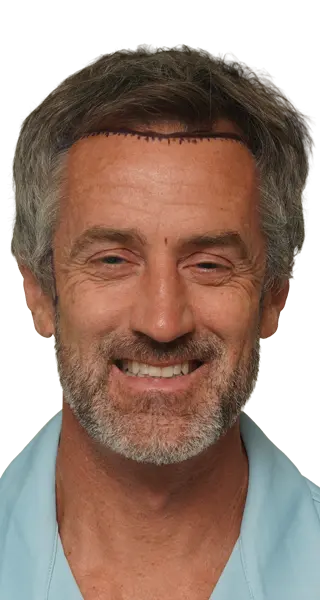
BEFORE
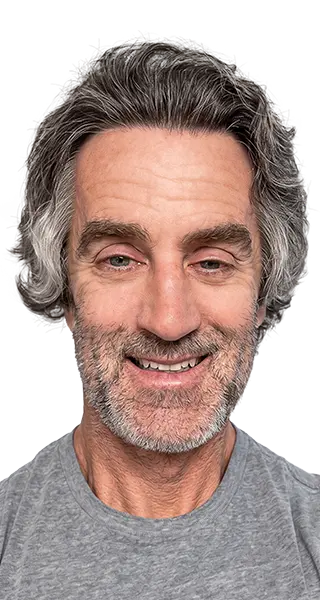
AFTER

Boyd Hugh Bastian
- 3,500 Grafts
- 9 months post-op
- From New Mexico, US
The results of my procedure blew me away! 3500 grafts and 6 months later, I have more dense and voluminous hair than ever before. I'm beyond happy with it!
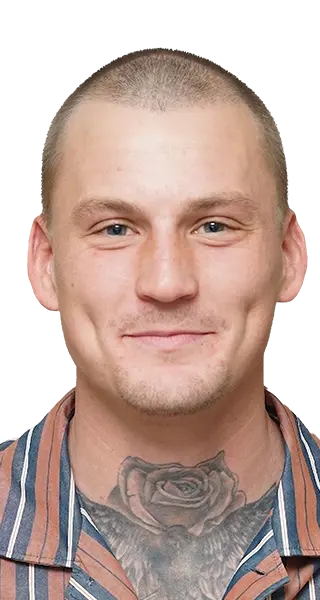
BEFORE
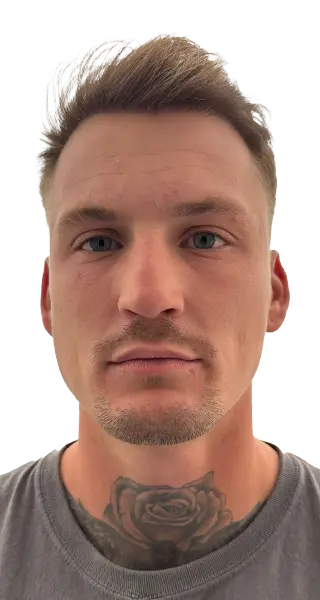
AFTER
Shane Dean Stocks
- 2,800 Grafts
- 9 months post-op
- From Chesterfield, GB
Nine months ago, I took a life-changing step with a Sapphire FUE hair transplant. Today, the results speak for themselves.
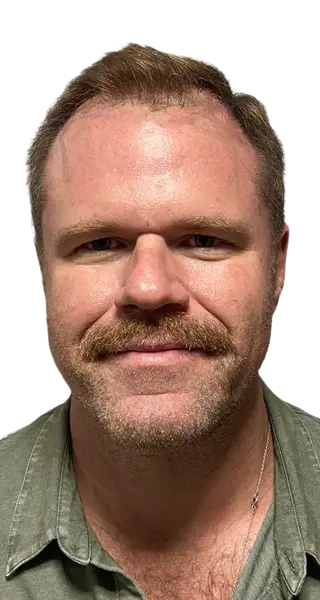
BEFORE

AFTER
Matthew Scholl
- 5,150 Grafts
- 15 months post-op
- From Georgia, US
It feels like it's reversed aging for me. I just feel great when I go out, look in the mirror, and see a full head of hair. It's like a real confidence booster.
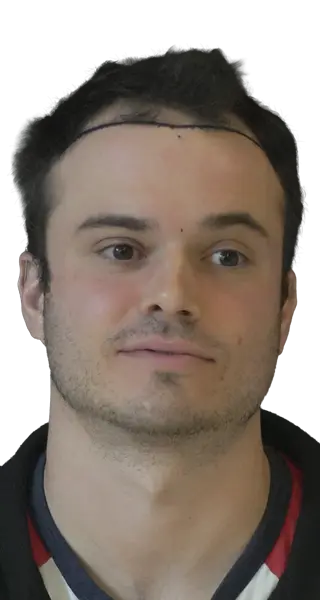
BEFORE
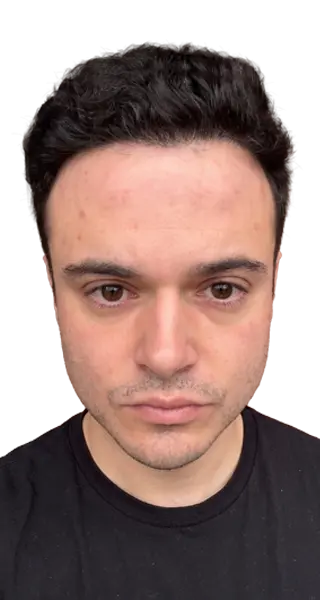
AFTER
Andrew Barr
- 5,300 Grafts
- 9 months post-op
- From Toronto, CA
Having a deeply receded hairline hurt my confidence. I wanted to look better, and all my research pointed to Estenove. A quick trip to Istanbul and my hair looks better than it ever did before!

BEFORE

AFTER
Kevin Tison
- 4,300 Grafts
- 1 year post-op
- From Louisiana, US
Estenove did wonders for me! My hair used to be very wispy and thin, but now I have a full head of hair.

BEFORE
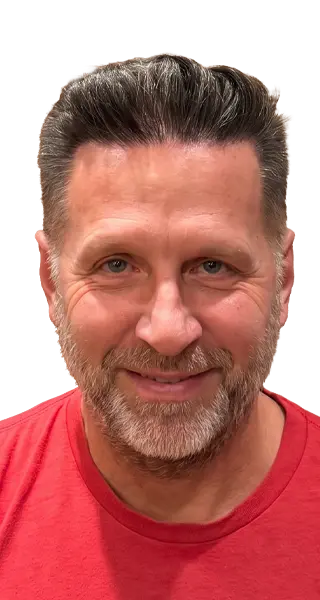
AFTER
Tony Walker
- 4,450 Grafts
- 9 months post-op
- From Oklahoma, US
My experience with Estenove was unbelievable! I got many compliments after my procedure. I was so happy with them that I brought my son here to get his hair transplant as well.
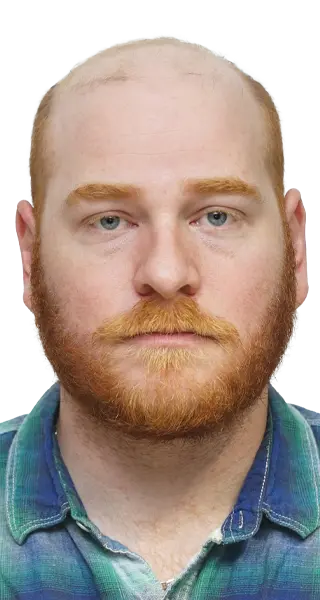
BEFORE
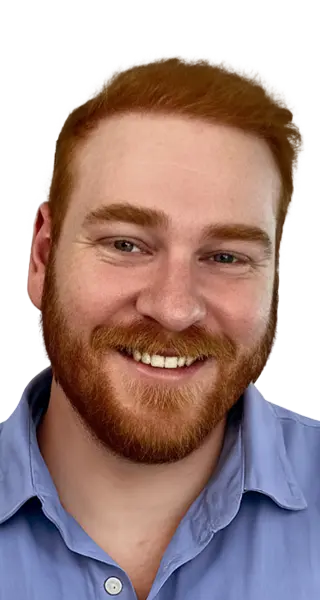
AFTER
Samuel Cote
- 4,700 Grafts
- 9 months post-op
- From Massachusetts, US
I really liked my hair before I lost it. When I lost it, it felt devastating. I tried medicine and natural remedies but nothing brought it back except the talented team at Estenove. I'm happy to have my hair back.
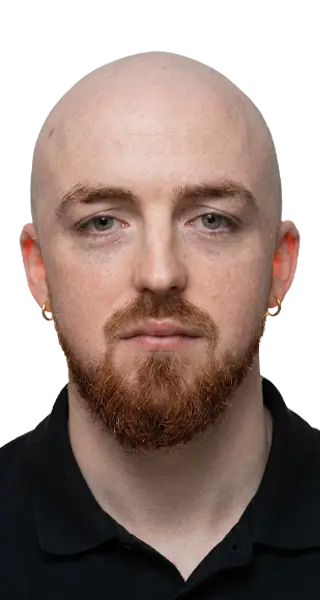
BEFORE
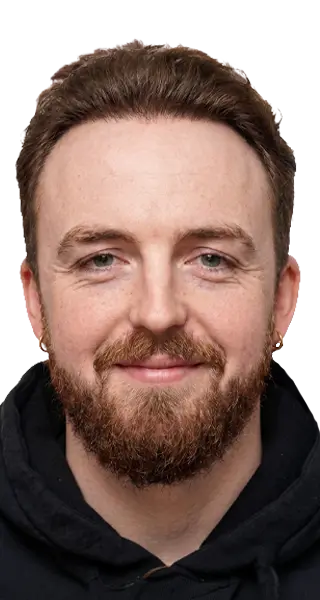
AFTER
Jozef Jed Rollin
- 3,800 Grafts
- 9 months post-op
- From Ashington, GB
My thinning hair made me look a lot older than I actually am. I hated that. Thanks to Estenove, I finally look my age and have the confidence to back it up.
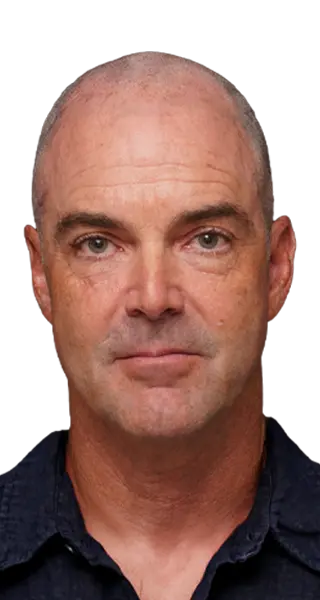
BEFORE
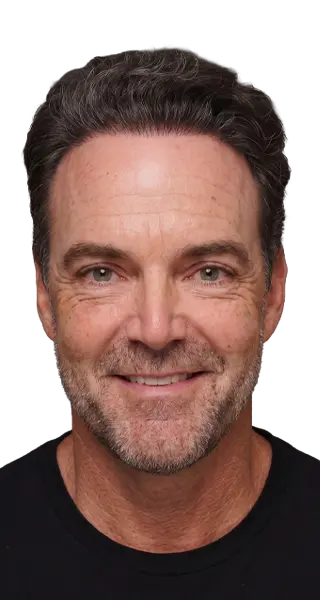
AFTER
Charles Roger Billings
- 5,600 Grafts
- 9 months post-op
- From Toronto, CA
Losing my hair felt like the worst thing ever! I'm so glad I came to Estenove. I think the results speak for themselves.
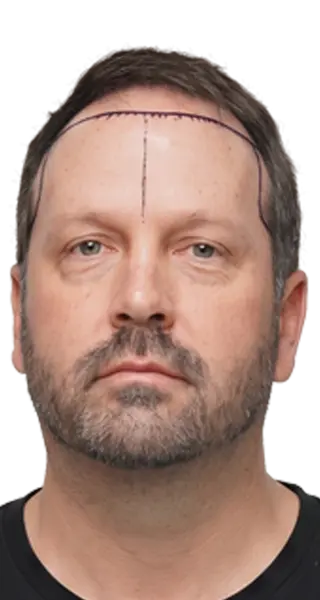
BEFORE

AFTER
Nathan Squire Merrill
- 5,200 Grafts
- 1 year post-op
- From Utah, US
When the man in the mirror started to feel like it wasn't me anymore, I knew it was time to take action. Luckily, Estenove came to my help and gave me back my hair. I finally feel good in my skin.
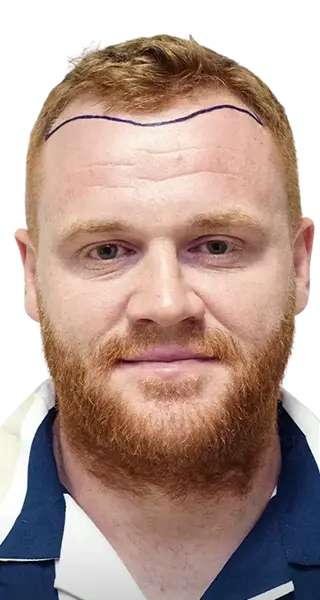
BEFORE
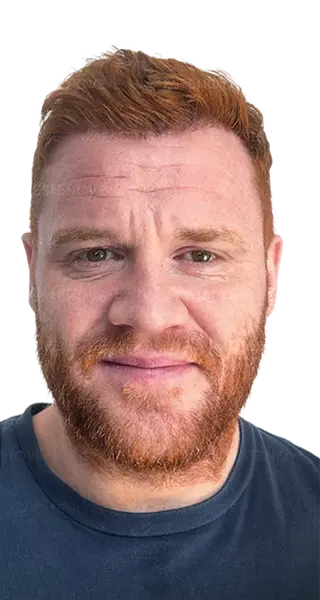
AFTER
Kyle Plump
- 4,150 Grafts
- 9 months post-op
- From King's lynn, UK
It's like I've reversed aging. I just feel great when I go out, look in the mirror, and see a full head of hair.
The journey continues on Instagram
Join 365k+ followersINSPIRING JOURNEYSBYESTENOVE
INSPIRING JOURNEYS
BY
ESTENOVE
INSPIRING JOURNEYS
BY
ESTENOVE
INSPIRING JOURNEYS
BY
ESTENOVE
INSPIRING JOURNEYSBYESTENOVE
INSPIRING JOURNEYS
BY
ESTENOVE
INSPIRING JOURNEYS
BY
ESTENOVE
INSPIRING JOURNEYS
BY
ESTENOVE
- Back to your routine in 7–10 days
- Superior graft survival for fuller results
- Natural density that blends seamlessly
- Undetectable — even to those closest to you
Natural and
Permanent Hair Transplant
FUE
Sapphire
FemaleAfroAsian
DHI
Choi Pen
FemaleAfroAsian
STEM
CELL
Therapy
FemaleAfroAsian
BEARD
Transplant
FemaleAfroAsian
EYEBROW
Transplant
FemaleAfroAsian
Already trusted by 20,000+ worldwide patients with an average rating of 4.9★
#EstenoveExperience
Selected success stories
As seen in trusted media
Unscripted. Unsponsored.
I did my research. Estenove came out on top. I trusted the reviews, not the ads.
Dr. Joseph Hummel
- Witness the 5,000-mile journey2 m 35 sec

Huffpost
HuffPost examines the viral “cortisol face” conversation, looking at what stress and elevated cortisol may actually mean for facial appearance and overall health.

OK Magazine
OK! goes inside Barstool Sports’ Baldstool trip to Estenove, following the group from their procedures in Istanbul through recovery, reunion and renewed confidence months later.

Elle
ELLE speaks with 12 partners about life after a Turkish hair transplant, with Estenove co-founder Murat Alsaç discussing the procedure’s growing social acceptance.

Barstool Sports
Barstool Sports reunites the Baldstool crew after their Istanbul hair transplants, revisiting their results and opening applications for a second season of the Estenove collaboration.

Oprah Daily
Oprah Daily examines expert solutions for women’s hair loss, with Dr. Zafer Çetinkaya offering guidance on choosing a reputable clinic and planning hair restoration abroad.

US Weekly
Us Weekly shares TikTok creator Matt Howard’s decision to travel to Turkey for a hair transplant at Estenove, from his thinning hair concerns to his 2,800-graft procedure.

T&C Mag
Town & Country breaks down the latest hair loss treatments, with Dr. Yücel İskender explaining how modern hair transplant surgery works and what patients can expect.

Goop
goop explores today’s options for fuller brows, with Dr. Zafer Çetinkaya explaining how eyebrow transplants work, who may benefit and what patients can expect during recovery.
Huffpost
HuffPost takes a closer look at men and hair transplants, exploring changing attitudes around hair loss, confidence and the growing interest in modern hair restoration.

Yahoo
Yahoo shares a personal hair transplant journey in Turkey, covering the treatment experience, recovery process and the impact the procedure had on confidence.

The Manual
The Manual follows Mark McKee’s personal hair transplant journey in Turkey, from hair loss concerns to his experience with Estenove and the confidence he gained along the way.

Forbes
Forbes explores Turkey’s medical tourism boom through an Estenove patient’s journey, with co-founder Murat Alsaç sharing advice on choosing a clinic and planning treatment abroad.
A Great
Place
To
Restore Your Hair
Join thousands who made the journey
From London to Los Angeles. Chosen worldwide.





CHICAGO
Melbourne
Utah

King's lynn
Antrim
MOSCOW

TROIS-RIVIÈRES

SWANSEA
Estenove
Why
thousands
trust ESTENOVE?
1
Consultant-led
care.
At Estenove, your assigned consultant personally oversees your entire procedure—from initial assessment to final placement.
2
Transparent
pricing.
Your treatment plan and price are confirmed after consultation and won't change on the day.
3
Boutique
attention.
We limit daily cases to ensure every patient receives focused, unhurried care.
REQUEST A CALL BACK
No pressure. No commitment.
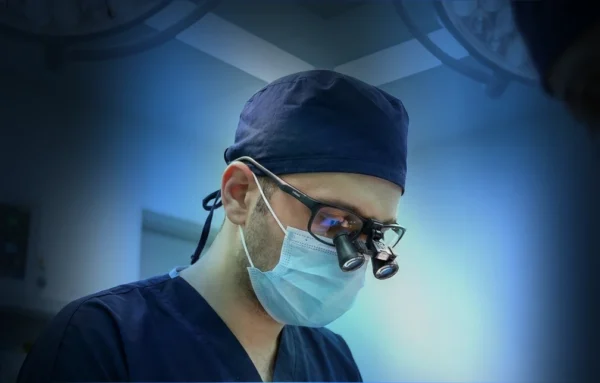
FOCUSED & UNPARALLELED TOUCH
Your consultant,
start to finish.
The same specialist. Every step of the way.
At Estenove, your assigned consultant personally oversees your entire procedure and remains present throughout.
From your first inquiry to your final check-up, you are never alone—receiving world-class clinical care with the personal touch and local accountability you deserve.
Learn more about our hair transplant procedure and what to expect at every stage of your treatment.
ESTENOVE
- All inclusive package
- Up to 75% saving
GREAT CHOICE
~
€
4k
UNITED KINGDOM
Tag
~
€
12k
EUROPE
Tag
~
€
11k
UNITED STATES
Tag
~
€
16k
VALUE COMPARISON
Transparent pricing.
No Surprise.
It is not just about “saving costs,” but about “safeguarding the overall wellbeing” of you.
Your treatment plan and price are confirmed after consultation — and won't change on the day. No hidden fees. The price you're quoted is the price you pay.
See all prices & benefitsISTANBUL, TURKEY
Why Istanbul — and why Estenove?
The expertise of a global hub. The attention of a private practice.
Istanbul performs more hair transplants than any other city, which refers to approximately 750k+ procedures annually. But we limit daily cases to ensure focused, unhurried care.
Patients researching a hair transplant in Turkey often compare providers in Istanbul. What matters most is who plans your treatment and who performs it.
At the heart of our practice lies a simple commitment: to provide the world’s most advanced surgical expertise with the comfort and security of home. By aligning our pioneering techniques with the rigorous safety benchmarks of global healthcare leaders, we ensure every journey is guided by a dedicated patient coordinator.
ALL INCLUSIVE
What’s
in the package
MAIN PACKAGE
UPGRADE
STEM CELLPREMIUM
UPGRADE
MD Participation in Incision
STEM CELL Treatment
MD Participation in Extraction
Comfort-in™ Anesthesia
PRP Therapy Session
Ice Graft Preservation Tech.
Extra Wash
+1
VIP Transfer
Hotel Accommodation
3 Nights
3 Nights
4 Nights
Aftercare Kit
1-Month Set
1-Month Set
6-Month Set
Novecare Support
18 Months
18 Months
18 Months
Full treatment
€3,395
€4,595
€6,595
CLINIC
THE ESTENOVE STANDARD
- Your safety, never compromised.
- A plan designed around you.
- Care that continues.
- Complete discretion.






Estenove Knowledge Base
Latest
articles
Estenove Medical Team, Dr. Yücel İskender
1 month ago

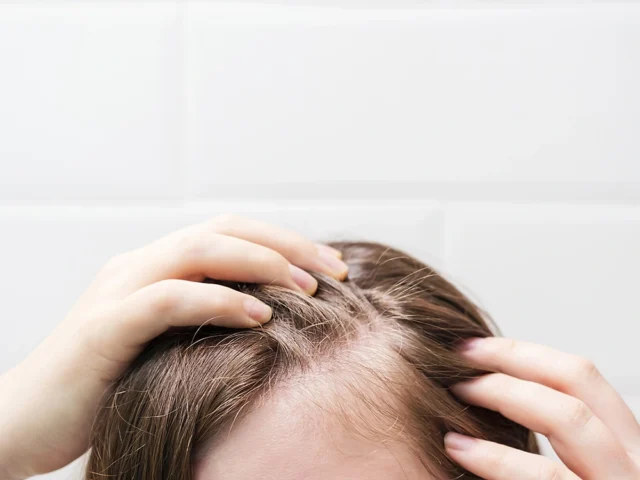
Scalp Folliculitis: Causes, Symptoms and Treatment Options
Scalp folliculitis is inflammation of the hair follicles on the scalp. It shows up as small red or skin-colored papules and pustules centered on the hair openings, most often along the hairline, the crown and the nape of the neck.
Estenove Medical Team, Dr. Yücel İskender
1 month ago
PCOS and Hair Loss: Causes, Treatment and Transplant Suitability
PCOS hair loss is real, and it is treatable. Polycystic ovary syndrome can raise androgen activity, which in susceptible women gradually shrinks scalp follicles — thinning the crown and widening the part while the frontal hairline is usually preserved. Treatment works best when started early, but hair responds slowly, and diagnosis should come before any…
Estenove Medical Team, Dr. Yücel İskender
1 month ago
How Much Hair Loss Is Normal? Daily and Shower Shedding
Most people shed somewhere between 50 and 100 hairs a day, and a large share of that surfaces in the shower. Finding 100 or more strands on a wash day is common, especially if you wash every few days — shampooing releases hairs that had already detached and were held in place by the surrounding…
Estenove Medical Team, Dr. Yücel İskender
1 month ago
Does Dandruff Cause Hair Loss? What Happens to the Follicle
Dandruff does not cause permanent baldness. Flaking on its own leaves the hair follicle intact. What can push hair out early is the inflammation behind more severe dandruff and the repeated scratching it provokes — and that hair usually grows back once the scalp settles. Thinning that keeps progressing after the flakes clear normally has…

4 months ago
Stress and Hair Loss: The Science
You find clumps of hair on your pillow, notice your part widening, or watch strands swirl down the shower drain in alarming quantities. The connection between stress and hair loss is not anecdotal or exaggerated: it is well-documented in dermatological research, backed by measurable hormonal shifts and immune responses. Roughly 85% of men and 33%…
Estenove Medical Team, Dr. Yücel İskender
4 months ago
Thyroid Hair Loss: Causes & Treatment
Your hair is thinning, your diet is clean, and your stress levels are managed, yet clumps keep appearing in the shower drain. For millions of people, hair loss is the first visible sign of a thyroid disorder they didn't know they had. Up to 50% of patients with untreated thyroid disorders experience noticeable hair loss,…
Explore hair transplant options matched to your needs.
The right technique depends on your donor area, hair loss pattern, and desired density. FUE and DHI are common scalp options, with tailored approaches for beard, eyebrow, Afro-textured hair, female hair loss, and stem cell treatment.
FUE
Sapphire
FemaleAfroAsian
DHI
Choi Pen
FemaleAfroAsian
STEM
CELL
Therapy
FemaleAfroAsian
BEARD
Transplant
FemaleAfroAsian
EYEBROW
Transplant
FemaleAfroAsian
Already trusted by 20,000+ worldwide patients with an average rating of 4.9★
#EstenoveExperience